
Oct 4, 2023 | Inventory Management, Warehouse Management System
A Warehouse Management System (WMS) is not a one-size-fits-all solution because warehousing and distribution operations can vary significantly from one organisation to another. Here are some key reasons why a WMS must be customised and tailored to meet the specific needs of each business.

Sep 21, 2023 | Data Input, Inventory Management, Order Processing, Warehouse Management System, WMS Pricing
The cost of a Warehouse Management System (WMS) can vary significantly based on several factors, including the size and complexity of your warehouse operations, the specific features, and functionalities you require, the deployment method (cloud-based or on-premises), and the software provider you choose.

Aug 30, 2023 | Inventory Management, Order Processing, Quality Control, Scanning Systems, Warehouse Management System
Implementing a Warehouse Management System (WMS) can be a good investment for many businesses, but the decision should be based on careful consideration of your specific circumstances and goals. Here are some factors to help you assess whether implementing a WMS is a good investment for your organisation.

Jul 26, 2023 | Data Input, Inbound Shipments, Inventory Management, Labour Management, Order Picking, Order Processing, Put-Away Tasks, Quality Control, Reporting and Analytics, Warehouse Management System
A Warehouse Management System (WMS) works by efficiently managing the various tasks and processes involved in warehouse operations. Here’s an overview of how a typical WMS operates.
May 5, 2021 | Inventory Management, Warehouse Management System
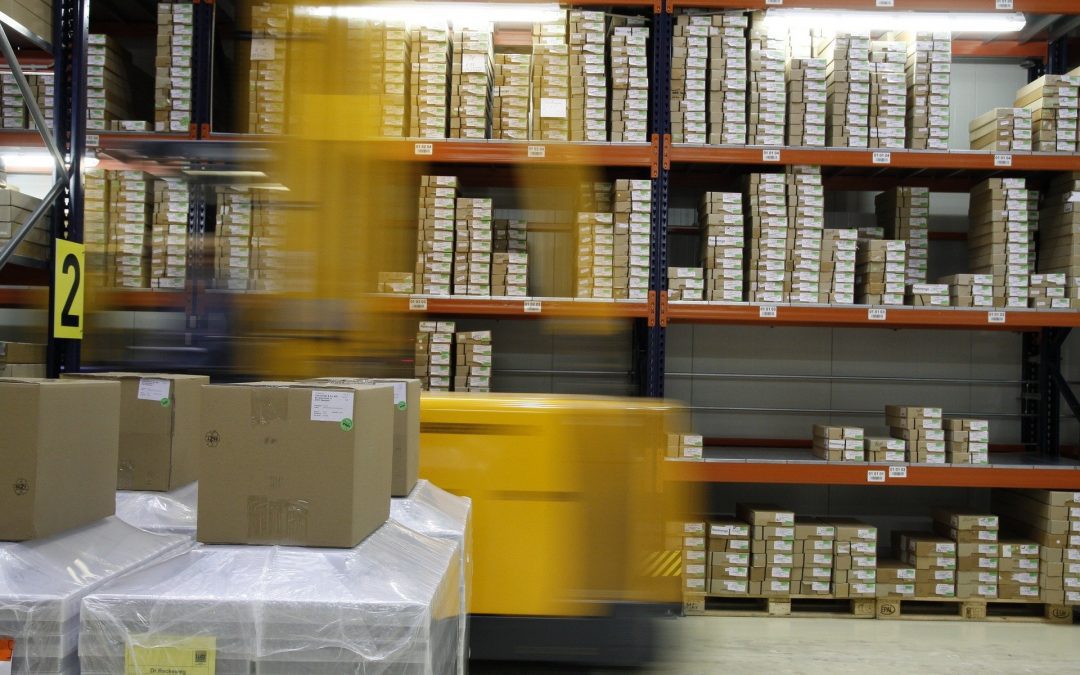
Your inventory consists of the goods that your company handles and intends to sell, along with the raw materials that are used to produce them. Inventory management refers to the process and systems you use to track your goods throughout your supply chain.

Recent Comments