
Jul 14, 2026 | AI, Automation, Barcode, Challenges, Data Input, Implement a WMS, Order Processing, Real-Time Data, Scanning Systems, Small Businesses, Warehouse Management System
Running a small warehouse often means balancing tight budgets, limited staff, and increasing customer expectations. While large distribution centres may invest millions in advanced robotics and AI-driven systems, smaller warehouses can still benefit from automation without making a huge financial commitment.
Apr 17, 2026 | Automotive Industry, Challenges, Data Input, Demand Forecasting, Inbound Shipments, Industries, Inventory Management, Just In Time (JIT), Order Picking, Order Processing, Outbound Processes, Picking Strategies, Put-Away Tasks, Real-Time Data, Report Generation, Reporting and Analytics, Stock Management, Supply Chain, Warehouse Management System
In the automotive supply chain, a delayed shipment, incorrect pick, or inaccurate stock level can stop an entire production line. The real competitive advantage comes from choosing the right Key Performance Indicators (KPIs) to measure, optimise, and continuously improve your operation.

Mar 12, 2026 | Automotive Industry, Barcode, Challenges, Data Input, Inbound Shipments, Industries, Integration Capabilities, Inventory Management, Labour Management, Order Picking, Order Processing, Outbound Processes, Picking Strategies, Quality Control, Real-Time Data, Report Generation, Reporting and Analytics, Scanning Systems, Serial Number Tracking, Stock Management, Warehouse Management System
Automotive warehouses manage thousands of parts, many of which can be high-value, safety-critical, or variant-specific. Serial number tracking identifies each individual item uniquely. Here we explain why serial tracking is needed and how the THINK WMS supports it.

Feb 11, 2026 | Barcode, Challenges, Data Input, Inventory Management, Order Picking, Order Processing, Put-Away Tasks, Real-Time Data, Reporting and Analytics, Small Businesses, Warehouse Management System, WMS Questions
For many small businesses, warehousing begins with good intentions and a spreadsheet. This guide reveals where poor inventory hygiene drains time and margin, and how small warehouses can get control quickly with straightforward, repeatable practices.

Jan 16, 2026 | Challenges, Data Input, Industries, Inventory Management, Order Picking, Order Processing, Picking Strategies, Put-Away Tasks, Quality Control, Real-Time Data, Report Generation, Reporting and Analytics, Small Businesses, Startups, Warehouse and Distribution Industry, Warehouse Management System
For more than a decade, Amazon has shaped how customers think about delivery, availability and service. As we begin 2026, that influence isn’t going away but here’s the uncomfortable truth for many small UK businesses.

Nov 11, 2025 | Automotive Industry, Challenges, Data Economy, Data Input, Industries, Integration Capabilities, Just In Sequence (JIS), Just In Time (JIT), Real-Time Data, Report Generation, Reporting and Analytics, Sales Analysis, Stock Management, Stock Notifications, Supply Chain, Warehouse and Distribution Industry, Warehouse Management System
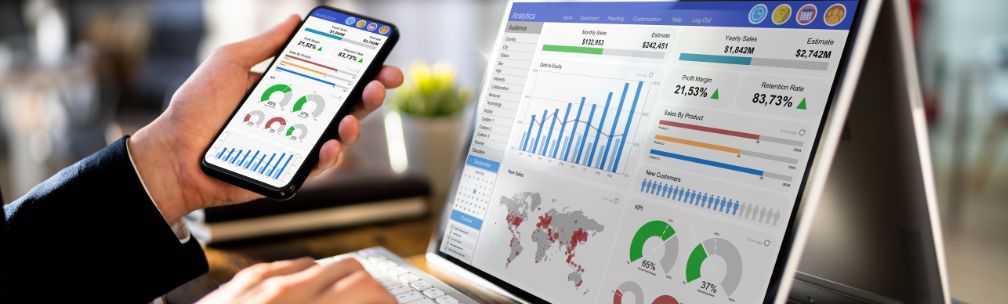
Modern Automotive Warehousing generates enormous amounts of operational data, covering inbound materials, storage, sequencing, and outbound logistics. Yet without analytics, that data remains underused.

Recent Comments