
Jan 16, 2026 | Challenges, Data Input, Industries, Inventory Management, Order Picking, Order Processing, Picking Strategies, Put-Away Tasks, Quality Control, Real-Time Data, Report Generation, Reporting and Analytics, Small Businesses, Startups, Warehouse and Distribution Industry, Warehouse Management System
For more than a decade, Amazon has shaped how customers think about delivery, availability and service. As we begin 2026, that influence isn’t going away but here’s the uncomfortable truth for many small UK businesses.

Jan 16, 2026 | Automotive Industry, Challenges, Industries, Warehouse and Distribution Industry, Warehouse Management System
In the automotive industry, warehouse management systems need to be flexible enough to support how the industry now works. THINK has worked with prominent suppliers to the automotive and car parts industry including AMCO, International Automotive Components, Grupo Antolin and Magna, so please read on.

Nov 14, 2025 | Warehouse and Distribution Industry, Warehouse Management System, WMS Trends
The landscape of warehouse management is changing rapidly as businesses strive for greater efficiency, resilience, and sustainability. As we approach 2026, the warehouses leading the way are those embracing smarter systems, sustainable operations, and people-first approaches.

Nov 11, 2025 | Automotive Industry, Challenges, Data Economy, Data Input, Industries, Integration Capabilities, Just In Sequence (JIS), Just In Time (JIT), Real-Time Data, Report Generation, Reporting and Analytics, Sales Analysis, Stock Management, Stock Notifications, Supply Chain, Warehouse and Distribution Industry, Warehouse Management System
Modern Automotive Warehousing generates enormous amounts of operational data, covering inbound materials, storage, sequencing, and outbound logistics. Yet without analytics, that data remains underused.

Oct 15, 2025 | Barcode, Challenges, Inbound Shipments, Integration Capabilities, Labour Management, Order Picking, Order Processing, Outbound Processes, Picking Strategies, Quality Control, Real-Time Data, Reporting and Analytics, Small Businesses, Startups, Stock Management, Stock Notifications, Warehouse and Distribution Industry, Warehouse Management System, WMS Myths
Running a small business is all about balance; juggling sales, suppliers, customer expectations, and often, a warehouse that’s just a little too full. For many growing companies, warehouse management starts as an afterthought.
Sep 23, 2025 | Automotive Industry, Barcode, Challenges, Industries, Integration Capabilities, Inventory Management, Just In Sequence (JIS), Just In Time (JIT), Order Picking, Order Processing, Outbound Processes, Picking Strategies, Quality Control, Real-Time Data, Scanning Systems, Stock Management, Stock Notifications, Supply Chain, Warehouse and Distribution Industry, Warehouse Management System
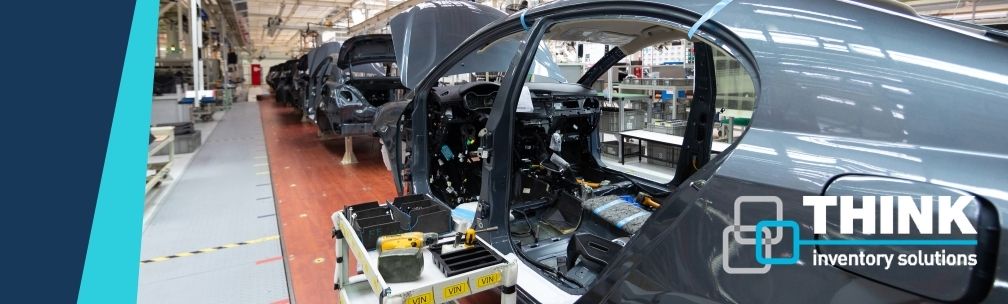
We know a thing or two about how to improve stock accuracy in automotive supply chains, which helps suppliers reduce errors, avoids costly stoppages, and strengthens relationships with Original Equipment Manufacturers.

Recent Comments